Buy spacecampus-paris.eu ?
We are moving the project
spacecampus-paris.eu .
Are you interested in purchasing the domain
spacecampus-paris.eu ?
domain@kv-gmbh.de · 0541-91531010
Buy spacecampus-paris.eu ?
How could one structure a research paper in physics astronomy?
A research paper in physics astronomy could be structured in a typical scientific format, starting with an abstract that summarizes the key findings of the study. The introduction would provide background information and the research question, followed by a literature review to contextualize the study within existing research. The methodology section would detail the experimental or observational methods used, while the results section would present the findings. The discussion section would interpret the results and discuss their implications, and the conclusion would summarize the key findings and suggest avenues for future research. Finally, the paper would include a list of references cited. **
What are the differences between argumentative structure and summary?
The main difference between argumentative structure and summary lies in their purpose and content. Argumentative structure is used to present a clear and logical progression of ideas to support a specific claim or viewpoint. It includes an introduction, body paragraphs with supporting evidence, and a conclusion. On the other hand, a summary is a concise overview of the main points and key details of a text, speech, or event. It does not include the writer's opinion or analysis, but rather focuses on presenting the main ideas in a condensed form. Overall, argumentative structure is used to persuade and convince, while a summary is used to inform and provide an overview. **

Similar search terms for Differences Structure
Top-Angebote
Products related to Differences Structure:
-
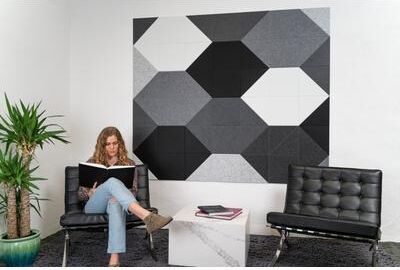
Felt Right Structure Midnight Sound Dampening Pinnable TilesMeet the smaller version of our popular new Structure design. Our Midnight version features a beautiful argyle pattern made up of crisp neutral colors with a dash of Admiral blue for depth, giving any space a contemporary feel. And don’t forget all...414,96 $*Shipping: 0,00 $Secure redirect to the provider
-
Felt Right Structure Greys Sound Dampening Pinnable TilesMeet the smaller version of our popular new Structure design. Our Greys version features a beautiful argyle pattern made up of crisp neutral colors, giving any space a contemporary feel. And don’t forget all that wonderful sound dampening, thanks to...414,96 $*Shipping: 0,00 $Secure redirect to the provider
-
Felt Right Structure Max Neapolitan Sound Dampening Pinnable TilesSometimes, bigger is just…beautiful. Meet Structure, the immersive new design that’s perfect for large spaces. In our take on Neapolitan, we’ve combined soft, inviting colors in an argyle pattern that simply has to be seen to be enjoyed....829,83 $*Shipping: 0,00 $Secure redirect to the provider
-
Inspire Picks ProGroom Standard Poodle Practice Model Full Body Grooming Training Dog With Skeleton Structure poodle ModelMaster grooming techniques with confidence using this professional dog grooming practice model designed for training, styling, and beauty practice. Shaped like a realistic standard poodle with a fullbody skeleton structure, this simulation model...143,37 $*Shipping: 0,00 $Secure redirect to the provider



-
What are the differences in the structure of citric acid and sodium hydroxide?
Citric acid is a weak organic acid with the chemical formula C6H8O7, while sodium hydroxide is an inorganic compound with the chemical formula NaOH. Citric acid is a tricarboxylic acid, meaning it has three carboxylic acid functional groups, while sodium hydroxide is a strong base composed of sodium cations and hydroxide anions. Additionally, citric acid is a small, water-soluble molecule, while sodium hydroxide is a solid at room temperature and highly soluble in water. **
-
How can one structure a presentation about Paris?
To structure a presentation about Paris, one can start by providing an overview of the city's history, including its founding and major historical events. Then, the presentation can focus on the city's iconic landmarks and attractions, such as the Eiffel Tower, Louvre Museum, and Notre-Dame Cathedral. Additionally, it would be beneficial to include information about Parisian culture, cuisine, and famous artists who have been inspired by the city. Finally, the presentation can conclude with practical information for visitors, such as transportation options and tips for navigating the city. **
-
How could one structure a research paper on the topic of political education?
A research paper on political education could be structured in the following way: 1. Introduction: Provide an overview of the importance of political education and its impact on society. 2. Literature Review: Review existing literature on political education, including its history, theories, and current practices. 3. Methodology: Explain the research methods used to gather data and analyze the topic, such as surveys, interviews, or case studies. 4. Findings: Present the findings of the research, including the current state of political education, its effectiveness, and any challenges or gaps in the field. 5. Discussion: Analyze the implications of the findings and discuss potential solutions or recommendations for improving political education. 6. Conclusion: Summarize the key points of the research and suggest areas for future study or action in the field of political education. **
-
How could one structure a research paper in the subject of political education?
A research paper on political education could be structured in the following way: 1. Introduction: Provide an overview of the importance of political education and its impact on society. Introduce the research question and the significance of the study. 2. Literature Review: Review existing literature on political education, including theories, key concepts, and previous research findings. Identify gaps in the literature that the current study aims to address. 3. Methodology: Describe the research design, data collection methods, and analysis techniques used in the study. Explain how the research question will be addressed and the rationale for the chosen methodology. 4. Findings: Present the findings of the study, including any statistical analysis or qualitative data. Discuss the implications of the findings and how they contribute to the existing literature on political education. 5. Discussion: Interpret the findings in the context of the research question and the existing literature. Discuss the implications of the study for policy, practice, and future research. 6. Conclusion: Summarize the key **


What are the similarities and differences in the structure of DNA compared to proteins?
Both DNA and proteins are made up of long chains of building blocks. In DNA, the building blocks are nucleotides, while in proteins, they are amino acids. Both DNA and proteins have a primary structure that determines their sequence of building blocks. However, DNA has a double helix structure, while proteins have a more complex three-dimensional structure determined by interactions between amino acids. **
What are the differences between astronomy, astrophysics, and chemistry?
Astronomy is the study of celestial objects and phenomena outside of Earth's atmosphere, including stars, planets, and galaxies. Astrophysics is a branch of astronomy that focuses on the physical properties and processes of celestial objects, using principles of physics to understand their behavior. Chemistry, on the other hand, is the study of the composition, structure, properties, and reactions of matter, including the elements and compounds that make up celestial bodies. While astronomy and astrophysics focus on the study of the universe and its physical properties, chemistry focuses on the study of the chemical makeup and interactions of celestial bodies. **
Top-Angebote
Products related to Differences Structure:
-
A-Street Prints Structure Green Chain Link WallpaperGive décor a mod punch with this energizing wallpaper design. A quatrefoil stripe gives walls the illusion of a stylish chain link design that lends a fresh and contemporary air to your space.99,99 $*Shipping: 0,00 $Secure redirect to the provider
-
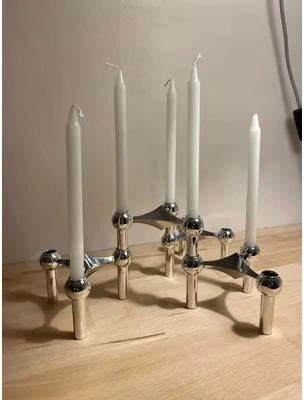
Uplift Essentials Molecular Structure Nordic Candle Holder silverAdd a touch of contemporary elegance to your space with the Molecular Structure Nordic Candle Holder, a stunning fusion of scientific inspiration and minimalist design. This silver candlestick centerpiece features a unique geometric framework that...67,97 $*Shipping: 0,00 $Secure redirect to the provider
-
Felt Right Structure Midnight Sound Dampening Pinnable TilesMeet the smaller version of our popular new Structure design. Our Midnight version features a beautiful argyle pattern made up of crisp neutral colors with a dash of Admiral blue for depth, giving any space a contemporary feel. And don’t forget all...414,96 $*Shipping: 0,00 $Secure redirect to the provider
-
Felt Right Structure Greys Sound Dampening Pinnable TilesMeet the smaller version of our popular new Structure design. Our Greys version features a beautiful argyle pattern made up of crisp neutral colors, giving any space a contemporary feel. And don’t forget all that wonderful sound dampening, thanks to...414,96 $*Shipping: 0,00 $Secure redirect to the provider
-
How could one structure a research paper in physics astronomy?
A research paper in physics astronomy could be structured in a typical scientific format, starting with an abstract that summarizes the key findings of the study. The introduction would provide background information and the research question, followed by a literature review to contextualize the study within existing research. The methodology section would detail the experimental or observational methods used, while the results section would present the findings. The discussion section would interpret the results and discuss their implications, and the conclusion would summarize the key findings and suggest avenues for future research. Finally, the paper would include a list of references cited. **
-
What are the differences between argumentative structure and summary?
The main difference between argumentative structure and summary lies in their purpose and content. Argumentative structure is used to present a clear and logical progression of ideas to support a specific claim or viewpoint. It includes an introduction, body paragraphs with supporting evidence, and a conclusion. On the other hand, a summary is a concise overview of the main points and key details of a text, speech, or event. It does not include the writer's opinion or analysis, but rather focuses on presenting the main ideas in a condensed form. Overall, argumentative structure is used to persuade and convince, while a summary is used to inform and provide an overview. **
-
What are the differences in the structure of citric acid and sodium hydroxide?
Citric acid is a weak organic acid with the chemical formula C6H8O7, while sodium hydroxide is an inorganic compound with the chemical formula NaOH. Citric acid is a tricarboxylic acid, meaning it has three carboxylic acid functional groups, while sodium hydroxide is a strong base composed of sodium cations and hydroxide anions. Additionally, citric acid is a small, water-soluble molecule, while sodium hydroxide is a solid at room temperature and highly soluble in water. **
-
How can one structure a presentation about Paris?
To structure a presentation about Paris, one can start by providing an overview of the city's history, including its founding and major historical events. Then, the presentation can focus on the city's iconic landmarks and attractions, such as the Eiffel Tower, Louvre Museum, and Notre-Dame Cathedral. Additionally, it would be beneficial to include information about Parisian culture, cuisine, and famous artists who have been inspired by the city. Finally, the presentation can conclude with practical information for visitors, such as transportation options and tips for navigating the city. **
Similar search terms for Differences Structure
-
Felt Right Structure Max Neapolitan Sound Dampening Pinnable TilesSometimes, bigger is just…beautiful. Meet Structure, the immersive new design that’s perfect for large spaces. In our take on Neapolitan, we’ve combined soft, inviting colors in an argyle pattern that simply has to be seen to be enjoyed....829,83 $*Shipping: 0,00 $Secure redirect to the provider
-
Inspire Picks ProGroom Standard Poodle Practice Model Full Body Grooming Training Dog With Skeleton Structure poodle ModelMaster grooming techniques with confidence using this professional dog grooming practice model designed for training, styling, and beauty practice. Shaped like a realistic standard poodle with a fullbody skeleton structure, this simulation model...143,37 $*Shipping: 0,00 $Secure redirect to the provider
-
How could one structure a research paper on the topic of political education?
A research paper on political education could be structured in the following way: 1. Introduction: Provide an overview of the importance of political education and its impact on society. 2. Literature Review: Review existing literature on political education, including its history, theories, and current practices. 3. Methodology: Explain the research methods used to gather data and analyze the topic, such as surveys, interviews, or case studies. 4. Findings: Present the findings of the research, including the current state of political education, its effectiveness, and any challenges or gaps in the field. 5. Discussion: Analyze the implications of the findings and discuss potential solutions or recommendations for improving political education. 6. Conclusion: Summarize the key points of the research and suggest areas for future study or action in the field of political education. **
-
How could one structure a research paper in the subject of political education?
A research paper on political education could be structured in the following way: 1. Introduction: Provide an overview of the importance of political education and its impact on society. Introduce the research question and the significance of the study. 2. Literature Review: Review existing literature on political education, including theories, key concepts, and previous research findings. Identify gaps in the literature that the current study aims to address. 3. Methodology: Describe the research design, data collection methods, and analysis techniques used in the study. Explain how the research question will be addressed and the rationale for the chosen methodology. 4. Findings: Present the findings of the study, including any statistical analysis or qualitative data. Discuss the implications of the findings and how they contribute to the existing literature on political education. 5. Discussion: Interpret the findings in the context of the research question and the existing literature. Discuss the implications of the study for policy, practice, and future research. 6. Conclusion: Summarize the key **
-
What are the similarities and differences in the structure of DNA compared to proteins?
Both DNA and proteins are made up of long chains of building blocks. In DNA, the building blocks are nucleotides, while in proteins, they are amino acids. Both DNA and proteins have a primary structure that determines their sequence of building blocks. However, DNA has a double helix structure, while proteins have a more complex three-dimensional structure determined by interactions between amino acids. **
-
What are the differences between astronomy, astrophysics, and chemistry?
Astronomy is the study of celestial objects and phenomena outside of Earth's atmosphere, including stars, planets, and galaxies. Astrophysics is a branch of astronomy that focuses on the physical properties and processes of celestial objects, using principles of physics to understand their behavior. Chemistry, on the other hand, is the study of the composition, structure, properties, and reactions of matter, including the elements and compounds that make up celestial bodies. While astronomy and astrophysics focus on the study of the universe and its physical properties, chemistry focuses on the study of the chemical makeup and interactions of celestial bodies. **
* All prices are inclusive of VAT and, if applicable, plus shipping costs. The offer information is based on the details provided by the respective shop and is updated through automated processes. Real-time updates do not occur, so deviations can occur in individual cases. ** Note: Parts of this content were created by AI.